
Atheism
-
Why the Serpent in the Garden of Eden Was Never a Literal Snake

Think the account of Eden is just a children’s fairy tale about a talking reptile? Think again. When we look past modern translations and dive into ancient Hebrew grammar, archaeological discoveries, and ancient political treaties, the “garden pest” completely disappears. Discover how the original text reveals a radiant, high-ranking heavenly guardian staging a cosmic mutiny,… Continue reading
Answering African Traditional Religion, Answering Critics, Answering Muslims/Islam, Answering Young Atheist, Apologetics, Atheism, Bible Inerrancyancient near east treaty idioms, ancient uracus archaeology, biblical cosmology underworld, biblical linguistics, book of enoch serpents, ezekiel 28 guardian cherub, genesis 3 commentary, helel ben shachar, james barr linguistics, john walton genesis, lucifer shining one, michael heiser divine council, nachash hebrew meaning, seraphim, serpent in the garden of eden, talking snake in the bible, umberto cassuto, who was the serpent in genesis -
The Myth of Christian Violence: Exposing the Analytical Fallacies (Part 2)
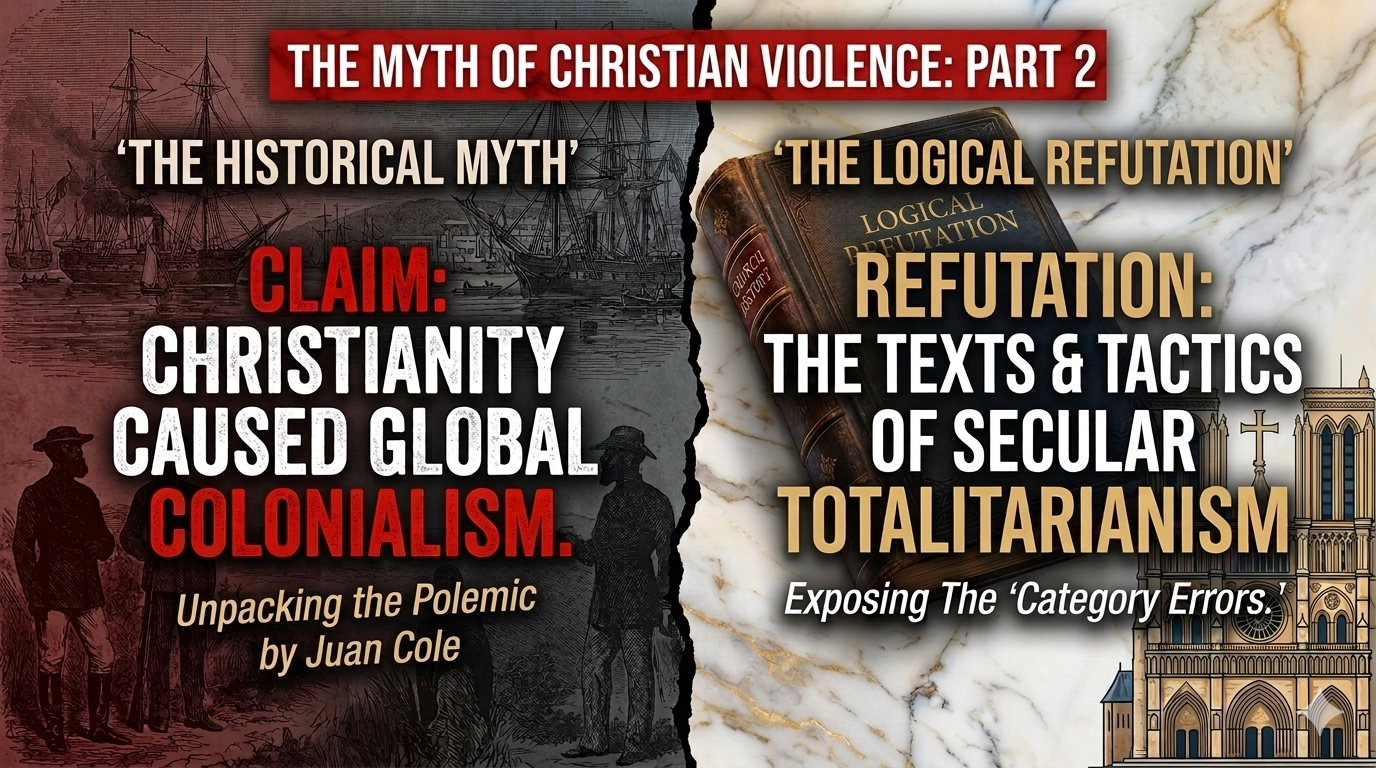
Are all religious ideologies equally prone to violence, or do texts dictate trajectories? In Part 2 of our scholarly response to Juan Cole, we dissect his remaining analytical loopholes. Discover how Cole uses aggressive blame-shifting across global conflicts, utilizes manipulated crime data from autocratic regimes, and ultimately falls into a massive logical contradiction that invalidates… Continue reading
-
The Myth of Christian Violence: A Scholarly Critique of Juan Cole (Part 1)
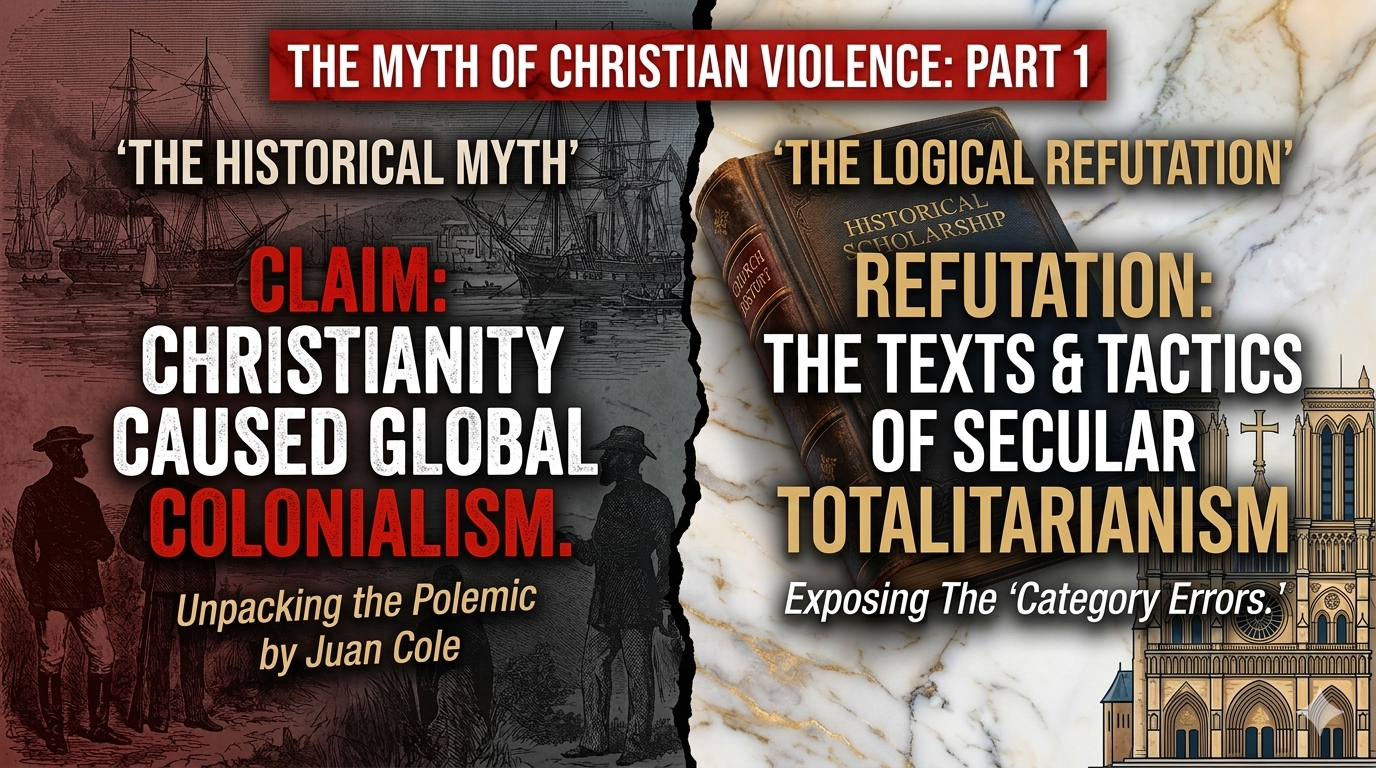
Does Christianity bear the blame for global colonialism, slavery, and the twentieth century’s world wars? In Part 1 of this rigorous, text-by-text refutation, we dismantle a viral polemic by Juan Cole. Utilizing peer-reviewed historical scholarship, we expose the deep category errors that falsely brand secular totalitarianism and imperial corporate greed as “Christian violence,” while uncovering… Continue reading
-
Deuteronomy 25:11-12 Explained: Why Would God Command a Woman’s Hand to Be Cut Off?

Does Deuteronomy 25:11-12 prove the Bible is barbaric? Discover the surprising context behind the law where a woman’s hand is cut off for grabbing a man’s genitals in a fight. Historical, cultural, and moral explanation. Continue reading
Answering African Traditional Religion, Answering Critics, Answering Muslims/Islam, Answering Young Atheist, Apologetics, Atheist, Bible MoralityAncient Israelite law, Ancient Near East laws, bible, Bible criticism answered, Bible violence explained, Biblical Punishments, Controversial Bible Laws, Cutting Off Hand Bible, Deuteronomy 25 explained, Deuteronomy 25:11-12, Harsh Old Testament laws, Moral questions in the Bible, Old Testament Justice, Women in the Bible -
Psalm 127:2 Explained: Why the Bible Does NOT Promote Laziness or Discourage Hard Work

Many people misuse Psalm 127:2 to claim the Bible supports laziness and that hard work is useless. In this detailed post, we explore the full context of Solomon’s psalm, what it really means, and how Scripture consistently encourages diligence and faith-filled work. Perfect for believers struggling with hustle culture and anxiety. Continue reading
Answering African Traditional Religion, Answering Critics, Answering Muslims/Islam, Answering Young Atheist, Apologetics, Atheism, Atheist, Bible Inerrancy, Bible MoralityAnxiety and Christian faith, Bible and hard work, Bible verses on laziness, Biblical meaning of rest, Christian work ethic, Christian youth motivation, Christianity in Nigeria, Does the Bible promote laziness, Faith and diligence, Overcoming spiritual misconceptions, Psalm 127:2, Purposeful productivity, Solomon proverbs, Trusting God with work, Yoruba Christians -
Does Jesus Contradict Himself? Unpacking the “You Fool” Meme and What the Bible Really Says About Calling People Fools

Does the Bible contradict itself when Jesus says calling someone a ‘fool’ deserves hellfire, yet He calls the Pharisees ‘You fools!’? This in-depth look at Matthew 5:22, Luke 11:40, and the original Greek exposes the truth behind the popular meme. Continue reading
Answering Critics, Answering Muslims/Islam, Answering Young Atheist, Apologetics, Atheism, Atheist, Bible Contradiction, Bible Contradictions, Bible Inerrancy, Bible Morality, defending PaulBible Contradiction, Bible Meme, Bible Meme Debunked, Bible Study, Biblical Foolishness, Biblical Greek Words, Christian Apologetics, Does the Bible Contradict Itself, faith, Greek Words in the Bible, Hypocrisy in the Bible, Jesus Calls Fool, Jesus Fool, Jesus Rebuke Pharisees, Luke 11:40, Matthew 5:22, Matthew 5:22 Explained, Old Testament Prophets, Pharisees Hypocrisy, Raca Meaning, Sermon on the Mount -
Why Did God Have to Torture His Only Son to Forgive Us? A Biblical Response to the Viral Critique of John 3:16
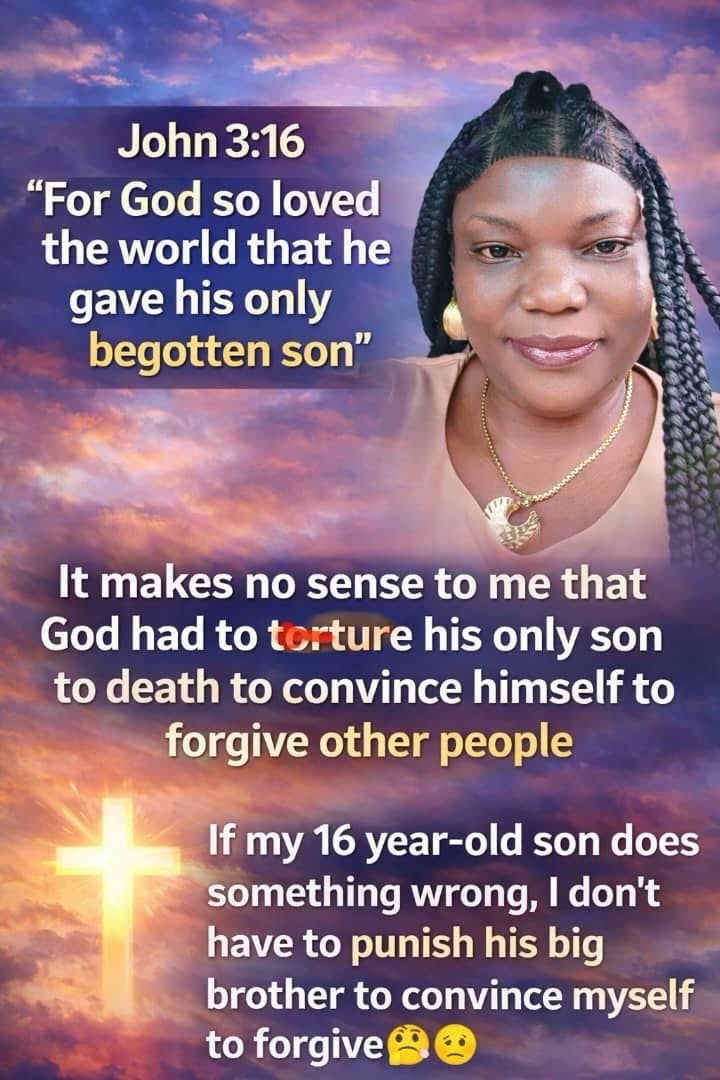
A popular social media post quotes John 3:16 — “For God so loved the world that he gave his only begotten Son” — and then launches a sharp attack: “It makes no sense to me that God had to torture his only son to death to convince himself to forgive other people. If my 16… Continue reading
-
If God Knew I’d End Up in Hell Before Creating Me, Am I Just Fulfilling His Will? A Biblical Response to a Heartfelt Question from Nekky

“If God already knew before creating me that I’d end up in hell but still created me anyway, then I’m just fulfilling His will.” This thought can feel crushing—like existence itself is a setup for eternal suffering, with no real choice, only divine puppetry. It raises deep concerns about God’s love, justice, foreknowledge, human freedom,… Continue reading
-
Can We Still Trust the Bible? Rediscovering Confidence in an Age of Doubt [Part III]
![Can We Still Trust the Bible? Rediscovering Confidence in an Age of Doubt [Part III]](https://whyjesusapologetics.com/wp-content/uploads/2025/11/img_4853-2.jpg)
The Prophetic Accuracy of the Bible — Evidence of Supernatural Inspiration One of the distinguishing marks of the Bible is its extensive use of predictive prophecy—clear, specific foretellings of future events that have been precisely fulfilled in history. No other religious or philosophical text on earth demonstrates this feature with comparable accuracy or scope. The… Continue reading
-
Rejecting Jesus to Escape Satan? The Illogical Path to Moral Subjectivity Among Some Igbo Revivalists

In recent years, there has been a growing interest among some Igbo people in southeastern Nigeria in reviving Odinani (also called Odinala or Ọdịnanị), the traditional Igbo spiritual and cultural system. This revival often involves a conscious rejection of Christianity, which has dominated Igbo religious life for over a century. While reclaiming cultural heritage is… Continue reading