
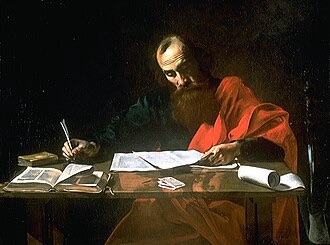
In Christian-Muslim conversations and online apologetics circles, a recurring charge against the Apostle Paul is that he openly admitted to lying in Romans 3:7. Critics pull the verse out of its surrounding paragraphs and claim it proves Paul was dishonest, self-contradictory, and therefore an unreliable witness to the gospel. The implication is clear: if Paul lied once, how can we trust anything he wrote?
This accusation has circulated for decades, popularized in certain dawah circles and repeated without examination of the full text. Yet when we read Romans 3 in its proper context—beginning in chapter 1 and flowing through the entire argument—Paul emerges not as a liar but as a master theologian skillfully dismantling every human excuse for sin. Far from confessing wrongdoing, he is exposing the twisted logic sinners use to avoid accountability. Let’s walk through the passage step by step, exactly as Paul wrote it under the inspiration of the Holy Spirit.
Paul’s Masterful Legal Case: All Humanity Under Sin (Romans 1–3)
From the opening of Romans, Paul builds an airtight case. In chapters 1:18–32 he shows how Gentiles, without the written law, suppressed the truth about God and plunged into idolatry and moral chaos. In chapter 2 he turns to the Jews, who possessed the law yet often failed to obey it. By Romans 3:9 the conclusion is unmistakable:
“What then? Are we better than they? No, in no wise: for we have before proved both Jews and Gentiles, that they are all under sin.”
Every person—religious or pagan, Jew or Gentile—stands guilty before God. This is not Paul’s personal opinion; it is the Spirit-led diagnosis of the human condition.
Then, beginning in verse 21, Paul unveils the solution:
“But now the righteousness of God without the law is manifested… Even the righteousness of God which is by faith of Jesus Christ unto all and upon all them that believe… Being justified freely by his grace through the redemption that is in Christ Jesus.”
Justification comes not by works or law-keeping but by faith in Christ’s atoning blood. This sets the stage for the opening verses of chapter 3, where Paul anticipates the very objections critics still raise today.
Romans 3:1–8 – Hypothetical Objections and Paul’s Direct Rebuttals
Paul opens with a genuine question about Israel’s privilege:
“What advantage then hath the Jew? or what profit is there of circumcision? Much every way: chiefly, because that unto them were committed the oracles of God.” (vv. 1–2)
The Jews possessed the Hebrew Scriptures—the very words of the living God—while Gentiles had been left to their idols (see Acts 14:15–17; 17:22–31; Ephesians 2:11–12). This advantage was real, yet it did not exempt them from judgment.
Now Paul switches to a rhetorical style common in his letters: he voices hypothetical objections that a defensive sinner might raise, then answers them decisively. He is not endorsing these objections; he is exposing their foolishness.
First Hypothetical Objection (v. 3):
“For what if some did not believe? shall their unbelief make the faith of God without effect?”
Some Jews had rejected the Messiah, even participating in His crucifixion. Does their unbelief cancel God’s faithfulness to the covenants He made with Abraham, Isaac, Jacob, and David?
Paul’s Answer:
“God forbid: yea, let God be true, but every man a liar; as it is written, That thou mightest be justified in thy sayings, and mightest overcome when thou art judged.” (v. 4)
God’s promises stand firm regardless of human failure. Even if every person proved false, God remains true. His covenants with Israel will ultimately be fulfilled through the New Covenant (Jeremiah 31:31–34; Hebrews 8–10). Man’s lies never nullify divine faithfulness.
Second Hypothetical Objection (v. 5):
“But if our unrighteousness commend the righteousness of God, what shall we say? Is God unrighteous who taketh vengeance? (I speak as a man)”
Here the sinner tries a new tactic: “My sin actually makes God look better by contrast. If God punishes me for that, isn’t He being unfair?”
Paul’s Answer:
“God forbid: for then how shall God judge the world?” (v. 6)
If God were unrighteous, He would be disqualified from judging anyone. Yet Scripture is clear: “Shall not the Judge of all the earth do right?” (Genesis 18:25). The Great White Throne Judgment (Revelation 20:11–15) will prove God perfectly just.
Third Hypothetical Objection (v. 7):
“For if the truth of God hath more abounded through my lie unto his glory; why yet am I also judged as a sinner?”
This is the verse critics isolate. The sinner argues: “When I lie, God’s truth shines brighter by comparison. My falsehood actually glorifies God—so why punish me?”
Paul is not confessing that he himself lied. He is quoting the absurd defense a guilty person might offer, the same twisted logic that claims “my evil highlights God’s goodness.”
Paul’s Answer (v. 8):
“And not rather, (as we be slanderously reported, and as some affirm that we say,) Let us do evil, that good may come? whose damnation is just.”
Paul rejects the idea outright. In fact, he notes that some enemies had already slandered his teaching of grace as “do evil so that good may come.” He calls their damnation just. This exact distortion is addressed head-on later in Romans 6:1–2:
“What shall we say then? Shall we continue in sin, that grace may abound? God forbid. How shall we, that are dead to sin, live any longer therein?”
Grace is not a license to sin; it is power to die to sin.
The Bigger Picture: No Excuse Will Stand
By the end of Romans 3, Paul has dismantled every self-defense strategy:
- “But we had the law!” — Advantage yes, excuse no.
- “But my unbelief doesn’t cancel God’s promises!” — True, but you are still accountable.
- “But my sin makes God look good!” — Twisted logic that leads to judgment.
Verses 9–20 drive the final nail: “There is none righteous, no, not one.” Then verses 21–28 present the only escape—faith in Christ’s finished work.
Why This is Important for Paul’s Integrity and the Gospel’s Clarity
Paul was not lying in Romans 3:7 nor endorsing lying. He was using the rhetorical device of diatribe—common in ancient letters—to voice and then demolish objections. The Holy Spirit guided every word. The man who endured beatings, imprisonment, and eventual martyrdom for the gospel had no motive to deceive. His life matched his message: transformed by the same grace he proclaimed.
Critics who seize on isolated verses miss the entire flow of Romans. They overlook that Paul’s teaching on justification by faith never once encouraged sin. On the contrary, it produces holy living through the indwelling Spirit.
The real issue is not Paul’s honesty but humanity’s reluctance to accept God’s verdict: we are all sinners in need of a Savior. Clever excuses—whether in the first century or the twenty-first—will not stand on the Day of Judgment.
If you have encountered the claim that “Paul admitted he lied in Romans 3:7,” now you have the full context. Read chapters 1–3 straight through. Notice how every objection is anticipated and answered. See how the argument builds to the glorious solution in Christ.
Paul wasn’t defending himself; he was defending the gospel. And that gospel still transforms lives today—turning the self-righteous into the grateful, the guilty into the forgiven.
What stands out most to you in this passage? Have you wrestled with these verses yourself? Share your thoughts in the comments. Let’s reason together from Scripture rather than recycled accusations.
Grace and truth to you in Jesus Christ.

Leave a Reply